A homeowner named Greg learned about pump protection the hard way. His pressure washer worked perfectly all summer, so he parked it in the garage through a cold winter without a second thought. When spring arrived, the machine ran but produced almost no pressure, and a repair shop told him the pump was cracked internally from water that had frozen and expanded inside it. The fix cost more than half the price of a new machine. A ten-dollar can of pump protector would have prevented the whole thing.
A pressure washer pump protector, sometimes called pump saver or pump antifreeze, is a fluid that displaces water and coats the pump’s internal parts with a lubricating, non-freezing barrier. Used before storage or cold weather, it prevents the freeze damage and corrosion that destroy pumps every year. This guide explains what these products are, how they compare, and how to use one to protect your machine.
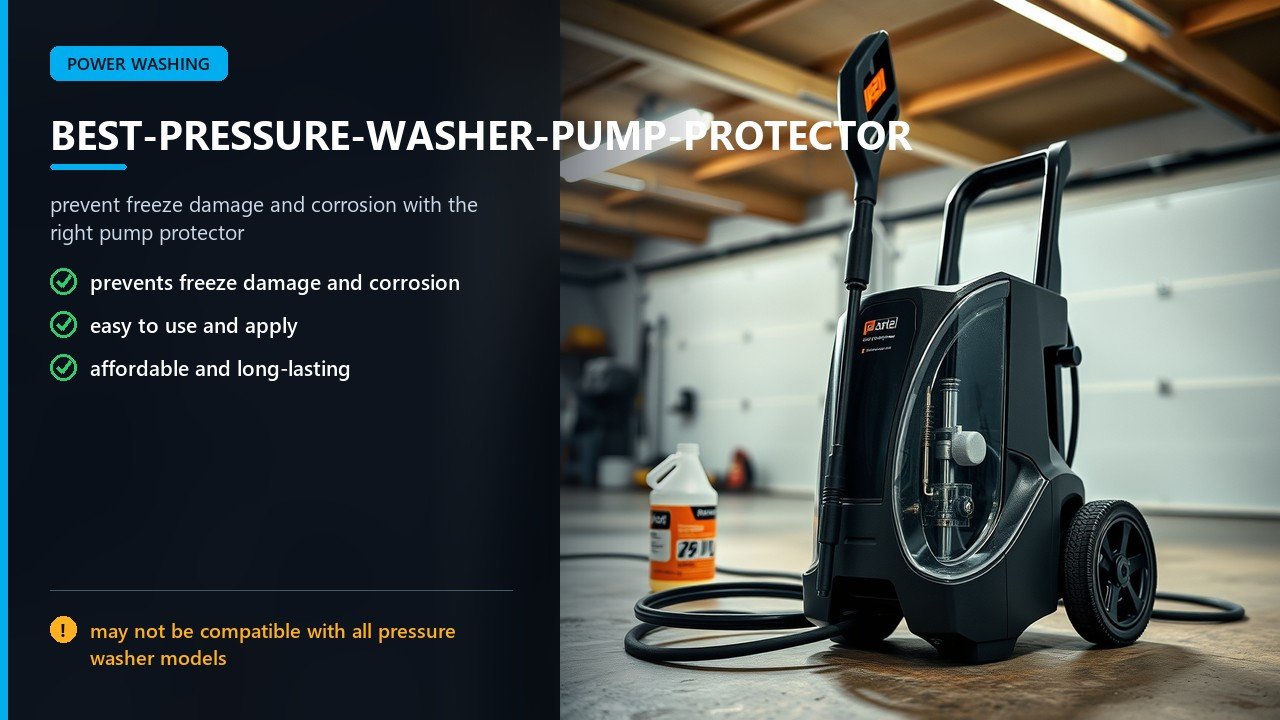
Why a Pump Protector Matters
The case for protecting a pump is simple economics.
Freeze damage is the leading killer. Water trapped inside a pump expands when it freezes, cracking housings, breaking seals, and splitting valves. A single hard freeze can destroy a pump that otherwise had years of life left.
Corrosion never sleeps. Even without freezing, stagnant water left in the pump corrodes internal metal parts and degrades rubber seals. A protector leaves a protective barrier that fights rust and oxidation during storage.
Hard water leaves scale. Mineral deposits build up on pistons, valves, and seals over time, reducing efficiency and eventually causing clogs. Protectors help dissolve and prevent this buildup.
Seals dry out. Rubber seals and O-rings lose elasticity when they sit dry for months. A protector conditions them, keeping them pliable so the pump starts cleanly in spring.
The cost is trivial. A can or bottle of pump protector costs a few dollars and treats a machine in under a minute. Compared to a new pump, it is the cheapest insurance in pressure washing.
How a Pump Protector Works
The mechanism is straightforward.
Displacement. The fluid is drawn through the pump via the inlet, pushing residual water out of the chambers and passages. You apply it until fluid exits the high-pressure outlet, confirming the pump is fully treated.
Protection. What remains inside is a non-freezing, lubricating fluid that coats metal and rubber parts, preventing freezing, corrosion, and scale.
Aerosol foam versus liquid. Some products are pressurized cans that spray a foam through the pump, while others are bottles of liquid drawn through by running the machine briefly. Both achieve the same result.
Compatibility. Most quality protectors work on both gas and electric pressure washers and on plunger and axial pumps, though you should always check the label for your pump type.
The Best Pump Protectors Compared
Several well-established products dominate the market.
| Product | Size | Freeze Protection |
|---|---|---|
| Karcher Pump Guard | 4 oz aerosol | -25 F |
| BE Pump Saver | Multi-pack | -50 F |
| STA-BIL Pump Protector | 4 oz | Storage protection |
| Sun Joe SPX-PLWP | 12 oz | -50 F |
| AR Blue Clean PW64511 | 16 oz | -25 F |
| DeWalt DXPA04PG Pump Guard | 4 oz | -25 F |
Karcher Pump Guard. A 4-ounce aerosol with an applicator hose, biodegradable and compatible with both gas and electric machines. It lubricates internal components, protects against rust and corrosion, reduces mineral buildup, and guards down to about -25 degrees Fahrenheit. The aerosol design makes application clean and quick.
BE Pump Saver. An eco-friendly antifreeze and lubricant with freeze protection down to about -50 degrees Fahrenheit, a non-toxic propylene glycol base, corrosion inhibitors, and rubber conditioners. It displaces water, lubricates seals and pistons, and is compatible with most brands. It is a strong choice for very cold climates.
STA-BIL Pump Protector. A well-known 4-ounce can that sprays a white protective foam through the pump. It protects pistons and seals during storage and is easy to apply. STA-BIL is a trusted name in fuel and equipment additives.
Sun Joe SPX-PLWP. A 12-ounce liquid protector that reduces mineral deposits, prevents rust, and prevents freezing down to about -50 degrees Fahrenheit. It works with virtually all makes and models, gas or electric.
AR Blue Clean PW64511. A 16-ounce antifreeze solution with a direct-to-pump threaded cap for easy application, protecting down to about -25 degrees Fahrenheit. It preserves seals and pistons and prevents hard water buildup, fitting the brand’s own reputable pumps.
DeWalt DXPA04PG Pump Guard. A 4-ounce pressurized can labeled for DeWalt and compatible brands such as Black and Decker, Craftsman, and Stanley. It lubricates pistons and seals and protects down to about -25 degrees Fahrenheit.
How to Choose a Pump Protector
A few factors narrow the field.
Check the freeze rating. If you live in a region that sees deep freezes, choose a product rated to at least -25 degrees Fahrenheit, and prefer -50 degrees Fahrenheit for the coldest climates.
Match the pump type. Most protectors work on both axial and plunger pumps, but confirm the label covers your machine’s pump type.
Prefer easy application. Aerosol cans with applicator hoses and bottles with threaded caps make the job quick. The easier the product is to use, the more likely you will actually do it.
Look for seal conditioners. Products that condition rubber seals and O-rings do double duty, protecting both metal and rubber during storage.
Consider eco-friendliness. Biodegradable, non-toxic formulas such as propylene glycol based products are safer for the environment and easier to rinse away responsibly.
Buy enough for the season. Most cans and small bottles treat one machine for a storage season. If you own several pressure washers, multi-packs save money.
How to Use a Pump Protector
Application takes less than a minute.
Step one: shut down. Turn off the machine and disconnect it from the water supply and power source.
Step two: connect the protector. Attach the can or bottle to the pump inlet, usually via a garden hose thread fitting.
Step three: dispense. Press or squeeze the container, or run the machine briefly if the product is drawn through, until fluid begins to exit the high-pressure outlet.
Step four: watch for the sign. Foam or fluid discharge from the outlet means the pump is fully treated. Do not stop before you see it.
Step five: disconnect and store. Remove the product and store the machine in a cool, dry place, upright, with the fuel drained or stabilized if it is a gas unit.
When to apply. Use a protector before extended storage, before the first freeze, and any time the machine will sit unused for more than a couple of weeks.
Pump Protector Versus Other Options
Alternatives exist, but they fall short.
Draining alone. Tilting the machine and draining water helps but rarely removes every drop. Trapped moisture in valves and chambers can still freeze.
RV antifreeze. Non-toxic RV antifreeze can work in a pinch, but it lacks the lubricants and seal conditioners purpose-built protectors include. Dedicated protectors are formulated for pump internals.
Blowing out with air. Some users blow the system out with compressed air, but this can damage seals if overdone and still leaves residual moisture.
Storing indoors only. Keeping the machine in a heated space helps, but a protector adds protection during unexpected freezes and prevents corrosion regardless of temperature.
The best approach. Combine a thorough drain with a quality pump protector. This covers both the water you can remove and the water you cannot.
Winterizing the Whole Machine
A pump protector is the centerpiece of a larger routine.
Drain the water system. Disconnect the water supply, turn the machine on briefly to expel pressure, and disconnect the hose, gun, wand, and nozzles. Tilt the machine to drain the pump and check the inlet and outlet for trapped water.
Treat the pump. Run the pump protector through the unit until fluid exits the outlet. This is the step that protects the internals from freezing and corrosion.
Empty the detergent system. Flush detergent from the soap tank and suction line with clean water, then drain. Detergent left to sit can gel, clog, and corrode.
Protect the hose and gun. Drain the high-pressure hose completely by coiling it and letting water run out. Store the gun upright, and bring the hose and gun indoors if possible, since they can also crack when frozen.
Service the engine. For a gas machine, change the oil, stabilize or drain the fuel, and service the air filter and spark plug. Stale ethanol fuel is the top cause of spring no-starts.
Cover and store. Store the machine indoors, upright, in a cool, dry space. If it must stay outdoors, cover it to keep moisture and debris out of the pump and carburetor.
Protecting a Gas Pressure Washer Pump
Gas machines have extra considerations.
Fuel management. Ethanol fuel left in a carburetor gums up jets and passageways over a cold winter, causing hard starting and rough running. Either drain the fuel system or add a stabilizer and run the engine to circulate it.
Engine oil. Change the engine oil before storage so acids and contaminants from use do not sit against engine internals all winter. Fill with the recommended SAE 10W-30.
Pump protection. Run a protector through the water side of the pump exactly as on an electric machine. Gas pumps and their seals freeze just the same.
Spark plug care. A fouled plug worsens a hard spring start. Inspect or replace it before storage and gap it correctly when servicing.
Battery on electric-start models. Remove and store the battery indoors, or keep it on a maintainer, so it is ready to go in spring.
Protecting an Electric Pressure Washer Pump
Electric machines have their own winterizing needs.
Axial pumps and freeze risk. Many electric washers use axial cam pumps that are particularly unforgiving of freezing water. A protector is essential, not optional, on these units.
Total Stop System cautions. Machines with a Total Stop System should not be left with the power connected and water inside over winter. Disconnect power, drain, and protect.
Power cord and GFCI. Inspect the cord and GFCI for damage before storage and store the unit dry. Dampness over winter damages electrical components.
Detergent tank. Empty and rinse the built-in detergent tank, since leftover soap attracts moisture and can freeze, cracking plastic tanks.
Compact storage. Electric units are lighter and easier to bring indoors, so take advantage of it by storing the whole machine in a protected, frost-free space when possible.
Common Winterizing Mistakes
Avoiding these errors saves pumps.
Skipping the protector. Draining alone leaves moisture behind. The protector is what eliminates the last of the water and leaves a protective film.
Leaving water in the hose and gun. The pump is not the only part that freezes. Hoses, guns, and wands crack too, so drain and store them properly.
Forgetting the detergent system. Detergent left in the tank and lines gels and corrodes, causing problems long after winter.
Storing with fuel. Untreated ethanol fuel sitting all winter is the number one cause of spring starting problems on gas machines.
Storing outdoors uncovered. Moisture, freezing, and debris find a way in. Cover the machine if it must stay outside, and prefer indoor storage.
Waiting until the last minute. Winterizing in a sudden freeze is easy to forget. Treat the machine at the end of the season, well before temperatures drop.
Other Parts That Need Protection
The pump is the priority, but it is not alone.
High-pressure hose. Water trapped in a hose freezes and splits the inner lining or bursts the outer jacket. Drain it fully and store it indoors, loosely coiled.
Spray gun. The trigger valve holds water that can freeze and crack the body or jam the valve. Drain it and store it upright.
Wand and nozzles. Small passages trap water that freezes and blocks them. Remove nozzles, clear them, and store them dry.
Unloader valve. This valve contains water and seals that freeze, causing pressure problems in spring. The protector that coats the pump also protects the unloader when drawn through the system.
Inlet filter. Clean the inlet screen before storage so debris does not harden onto it, and reinstall it so it is ready for spring.
Quick connects. Inspect O-rings and store the fittings clean and dry. Replacing worn O-rings at storage time means the machine is ready to run in spring.
Non-Freezing Climates and Warm Storage
Even without a hard freeze, protection has value.
Corrosion still occurs. In mild climates, stagnant water corrodes pump internals and degrades seals over months of storage. A protector prevents this just as effectively.
Scale and mineral buildup. Protectors help dissolve and prevent hard water deposits regardless of temperature, keeping the pump efficient over years of use.
Between-job storage. If a machine sits unused for more than a couple of weeks, a quick treatment keeps seals conditioned and internals protected.
Commercial downtime. Contractors who store machines between seasons, or fleets that rotate equipment, benefit from treating every unit so each one starts reliably when needed.
Peace of mind. The modest cost and one-minute application make protection worthwhile even when freezing is unlikely, because the downside of a cracked pump is far greater.
Waking the Machine in Spring
How you restart after storage matters too.
Flush the protector out. The fluid left in the pump is harmless, but a first, brief flush with clean water clears it before you clean anything valuable. Direct the initial spray away from surfaces you care about.
Check for leaks. Inspect fittings, the gun, and the pump for drips. Worn O-rings are common after a season of storage and are cheap to replace before they become bigger problems.
Reconnect carefully. Reattach the hose, gun, and wand, hand-tight only, and confirm the nozzle is clear before starting.
Prime the pump. Turn the water on and squeeze the trigger to purge air before starting a gas engine or powering an electric unit. Never start a pump dry.
Fuel fresh. For gas machines, use fresh fuel. If you stabilized the old fuel, so much the better, but stale gas is a common spring problem.
Test on a safe surface. Make a first pass on a hard, durable surface to confirm everything works before touching paint, wood, or delicate materials.
Building a Yearly Protection Routine
Consistency beats occasional effort.
End of season. This is the main event: drain, protect the pump, service the engine, empty detergent, drain hoses and gun, and store everything properly.
Mid-storage check. For long off-seasons, glance at the machine occasionally, confirm it is dry, and keep it covered and upright.
Start of season. Flush, check for leaks, prime the pump, and test before the first real job.
Between jobs. For machines used a few times a year, a quick protector treatment between uses keeps seals conditioned.
Keep supplies on hand. Protectant, O-rings, engine oil, and fuel stabilizer stored together make the routine fast and hard to skip.
Frequently Asked Questions
What is the best pressure washer pump protector? There is no single winner, but Karcher Pump Guard, BE Pump Saver, STA-BIL Pump Protector, Sun Joe SPX-PLWP, AR Blue Clean PW64511, and DeWalt Pump Guard are all proven. Choose based on freeze rating and ease of use.
Is pump protector the same as antifreeze? It functions as antifreeze for the pump but also lubricates and conditions seals, which plain antifreeze does not. A dedicated pump protector is the better choice.
Do I need pump protector on an electric pressure washer? Yes. Electric axial pumps are just as vulnerable to freeze damage and corrosion as gas-machine pumps, and most protectors are designed for both.
How often should I use pump protector? Use it before winter storage, before the first freeze, and whenever the machine will sit unused for more than about two weeks.
Can I use pump protector instead of draining? Use both. Drain as much water as possible first, then run protector through the pump to displace what remains.
How much does a pump protector cost? Most cans and bottles cost a few dollars and treat one machine for a storage season, making it one of the cheapest ways to protect a pump.
Will pump protector protect down to any temperature? Ratings vary by product, from about -25 degrees Fahrenheit to -50 degrees Fahrenheit. Choose a rating that suits your climate.
Can I use pump protector on a hot water pressure washer? Many protectors are suitable for the pump on a hot water machine, but the burner and coil need separate winter care. Follow the manufacturer’s guidance for hot water units.
Does pump protector expire? Yes. Most products have a shelf life of about two years once opened. Mark the date and replace it if it is old, since a degraded formula may not protect as intended.
Should I run pump protector through the hose and gun too? The primary target is the pump, but drawing the fluid through the whole system to the outlet also coats the unloader and internal passages. Still drain and store the hose and gun separately.
Can pump protector fix a pump that already froze? No. It prevents damage; it cannot repair a cracked housing or a failed seal. Once a pump has freeze damage, it typically needs replacement or a rebuild.
Is RV antifreeze a good substitute for pump protector? It can work in a pinch, but it lacks the lubricants and seal conditioners purpose-built protectors contain. A dedicated pump protector is the safer choice for the pump internals.
How do I know the pump is fully protected? Watch the high-pressure outlet. When foam or fluid starts to exit, the pump is fully treated and you can stop.
What is the difference between pump protector and fuel stabilizer? Pump protector protects the water side of the pump from freezing and corrosion, while fuel stabilizer keeps gasoline from going stale in the engine. A stored gas pressure washer often needs both.
Can I reuse leftover pump protector next year? If the container is tightly sealed and stored in a cool, dry place, it is generally good for up to about two years after opening. Mark the date so you know when to replace it.
Where to Buy Pump Protector
Sourcing the product is easy.
Home improvement retailers. Large retailers stock Karcher Pump Guard, STA-BIL Pump Protector, and similar products seasonally, alongside pressure washer accessories.
Pressure washer dealers. Specialized dealers and online pressure washer retailers carry the full range, including BE Pump Saver and AR Blue Clean pump saver, sometimes in multi-packs.
Brand-specific products. If you own a specific brand, its own pump saver is designed to fit its pumps and fittings, which removes any doubt about compatibility.
Online marketplaces. Broad online sellers carry all major protectors, often at competitive prices, with the trade-off of less hands-on guidance.
Buy before you need it. The best time to buy a protector is at the end of summer, so it is on the shelf when the first cold snap arrives rather than after it.
Final Thoughts on the Best Pressure Washer Pump Protector
The best pressure washer pump protector is the one you actually use before winter arrives. Freezing water and residual corrosion destroy pumps every year, and a simple, inexpensive treatment prevents it. Whether you choose a foaming aerosol like Karcher Pump Guard or STA-BIL, or a liquid like BE Pump Saver, Sun Joe, or AR Blue Clean, the goal is the same: displace water and leave a protective, non-freezing barrier behind.
Greg’s cracked pump was a lesson in prevention, and it is one every pressure washer owner can learn without paying for it. Pick a protector suited to your climate, keep it with the machine, and make a habit of treating the pump whenever the season ends. For the price of a cup of coffee, you protect a component that costs real money to replace.
In the end, the best pump protector is not about brand loyalty but about discipline. Any of the proven products will do the job if you apply one before winter and drain the machine properly. The pressure washers that last a decade are the ones whose owners spent a few minutes on protection each fall, not the ones that sat untouched in a cold garage until the pump split open.