A weed eater, also called a string trimmer, is one of the most useful tools for cutting grass in places a lawn mower cannot reach. Whether you want to trim along fences, edge a walkway, or cut tall grass and weeds, knowing how to use a weed eater to cut grass properly makes the job faster and cleaner while protecting your lawn and the tool. This guide explains how to use a weed eater to cut grass, the techniques, the right line and accessories, and safety tips.
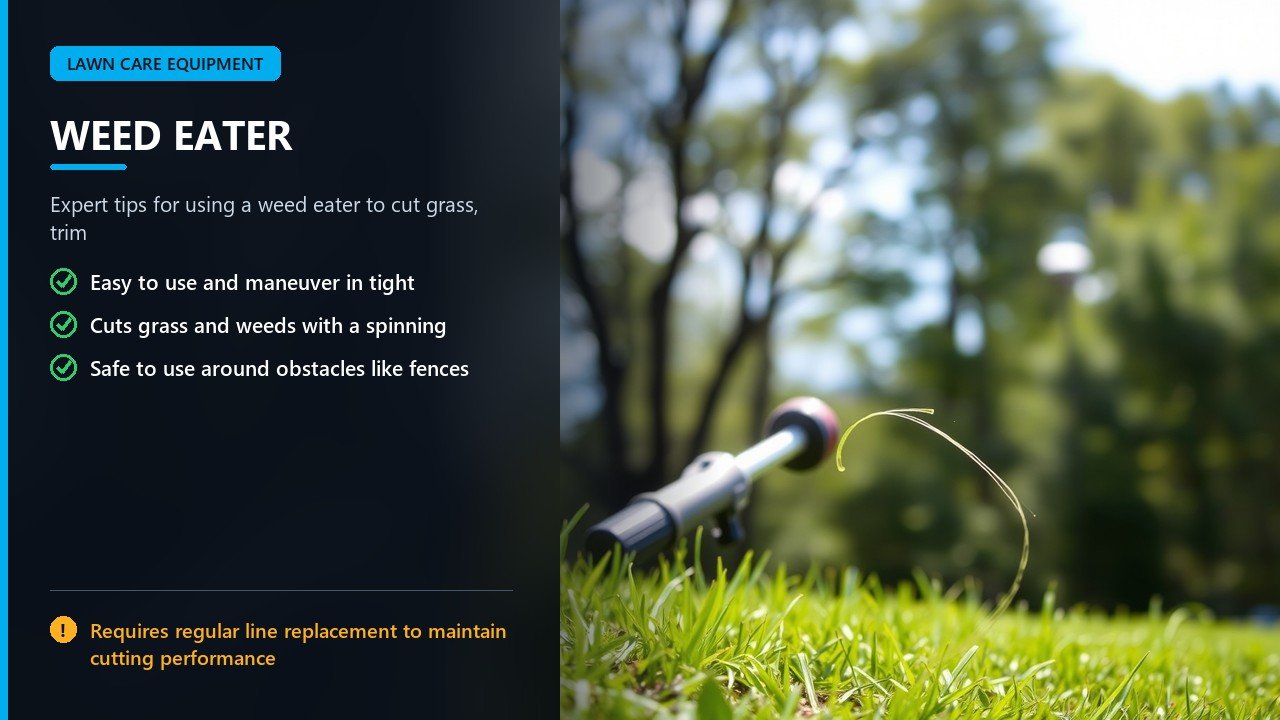
How a Weed Eater Cuts Grass
Spinning line does the work.
A weed eater cuts grass using a rapidly spinning length of nylon line that extends from a rotating head at the end of a shaft. As the head spins, the line strikes grass and weeds, slicing them cleanly. Unlike a mower with a blade, the weed eater uses flexible line, which is safer around obstacles like fences, trees, and walls and lets you trim close to objects without damaging them.
Because the line is flexible and the head is small, a weed eater can cut grass in tight spots, along edges, and on slopes where a mower cannot go. It can also cut taller, thicker vegetation than a mower, though very heavy brush may need a brush cutter blade. Understanding that the line, not a blade, does the cutting helps you use the tool correctly and replace the line as it wears, since worn line cuts poorly.
Line is the cutting element. Because the spinning line slices the grass, keeping enough fresh line extended and in good condition is essential for clean cuts. This makes line management central to using a weed eater. With sharp, full line, the tool cuts efficiently. Our guide to nozzle washer covers another replaceable cutting-related part for a different tool.
Preparing to Cut Grass with a Weed Eater
Set up before you start.
Before cutting, make sure your weed eater has enough line on the spool and that the line is the correct diameter for the trimmer. Check the fuel or battery charge, and inspect the head, guard, and shaft for damage. Wear protective gear: eye protection, long pants, closed-toe shoes, and hearing protection for gas models. Clear the area of rocks, wire, and toys that the line could throw.
Adjust the handle and shoulder strap (if equipped) for comfort so the trimmer is balanced and the head sits near the ground at a comfortable angle. If you have a convertible trimmer, decide whether you’ll use it as a trimmer or an edger based on the task. Taking a few minutes to prepare prevents frustration and makes the cutting smoother and safer.
Preparation improves results. Because correct line, protective gear, and a balanced setup make trimming easier and safer, a quick setup pays off. This prevents injuries and uneven cutting. With good preparation, cutting is efficient. Our guide to is pressure washing a car safe covers safety for another outdoor tool.
Technique for Cutting Grass with a Weed Eater
Steady motion and the right height.
To cut grass, hold the trimmer so the head is parallel to the ground and slightly above it, at a height that cuts the grass to your desired length. Keep the spinning line at the tip doing the cutting, and sweep the trimmer side to side in a smooth, steady motion. Avoid forcing the head into thick grass, which strains the engine or motor and can cause the line to break. Let the line cut at its own pace.
Work in a consistent direction and overlap your passes so you don’t miss patches. For taller grass, make multiple passes, lowering the head gradually rather than trying to cut everything at once. Move at a comfortable walking pace and keep the trimmer away from your body. This technique gives an even cut and reduces wear on the tool and line.
Technique determines quality. Because a steady sweep at the right height cuts evenly without straining the machine, good technique produces a clean finish. This makes practice worthwhile. With proper motion, any grass is cut neatly. Our guide to trimrite weed eater complements this cutting advice.
Edging and Trimming Around Obstacles
Vertical for edges, careful near walls.
Beyond cutting open grass, a weed eater edges along driveways, sidewalks, and flower beds. To edge, rotate the trimmer head so the line spins vertically, and run it along the edge of the pavement or bed, keeping a consistent line to create a crisp border. This defines the lawn and gives a manicured look. Keep a steady hand to avoid cutting into the lawn or the pavement edge unevenly.
When trimming around trees, fences, posts, and walls, approach slowly and use the tip of the line, avoiding pressing the head against the object, which wears the line quickly and can damage bark or paint. Use the guard to protect yourself, and never remove it. Careful trimming around obstacles keeps your yard neat and prevents damage to plants and structures.
Edging is where trimmers shine. Because a weed eater defines edges and reaches around obstacles, using it well completes the lawn. This makes edging and detail work valuable. With care, edges look sharp and clean. Our guide to pressure washer color code covers precise tool technique for another task.
| Task | Head Position | Tip |
|---|---|---|
| Trimming grass | Parallel to ground, slightly above | Sweep steadily, use line tip |
| Edging walkways | Vertical (line spins sideways) | Follow the pavement line evenly |
| Around trees/fences | Parallel, gentle approach | Avoid pressing against the object |
| Tall grass/weeds | Parallel, lowered gradually | Make multiple passes |
This table summarizes weed eater techniques for cutting grass, edging, trimming around obstacles, and tackling tall growth, showing the head position and a key tip for each. Using the right technique for each task gives cleaner results and protects the tool.
Choosing the Right Line and Head
Match line to the job.
The line you use affects how well your weed eater cuts grass. Thicker line, such as 0.095 inch, is more durable and suited to heavier grass and weeds, while thinner line, such as 0.065 inch, works for light trimming and is easier on the engine. Match the line diameter to your trimmer’s recommendation, and replace line when it becomes short, brittle, or worn.
The head and feed system also matter. Bump-feed heads advance line when you tap them on the ground, while automatic and manual feed heads vary. Replacing a worn or broken head, or switching to a head that accepts larger line, can improve cutting performance. For very heavy cutting, a brush cutter blade or metal blade attachment may be needed instead of line, though these require extra caution.
Line and head affect cutting. Because thicker line cuts heavier growth and a good head feeds reliably, matching these to your tasks improves performance. This makes them worth attention. With the right line and head, cutting is smooth. Our guide to pressure washer repair kit covers replaceable parts for another tool.
Safety When Cutting Grass with a Weed Eater
Protect yourself from debris.
Safety is essential because the spinning line throws debris at high speed. Always wear eye protection, long pants, closed-toe shoes, and, for gas trimmers, hearing protection. Keep people and pets well back, and never allow anyone to stand in the direction of the debris. Never remove the guard, which deflects thrown material, and keep the line at a safe distance from your feet and legs.
Be cautious near hard objects, which the line can send flying, and watch for hidden debris in tall grass. Turn off the trimmer before clearing a jammed head or refueling, and for gas models, refuel only when the engine is cool. Following these safety practices prevents injuries and makes cutting grass with a weed eater safe and enjoyable.
Safety is non-negotiable. Because the line throws debris and the tool spins at high speed, protective gear and caution prevent injury. This makes safe habits essential. With care, trimming is safe. Our guide to is pressure washing a car safe covers protective practices for outdoor tools.
Frequently Asked Questions About Using a Weed Eater to Cut Grass
Can a weed eater cut grass like a lawn mower? A weed eater can cut grass, especially in tight spots and along edges, but a mower is faster for large open areas. Weed eaters are best for trimming, edging, and hard-to-reach grass.
How do I stop the weed eater line from breaking? Use the correct line diameter for your trimmer, avoid forcing the head into thick growth, and keep the line away from hard objects like fences and concrete, which fray and break line.
What height should I hold the weed eater to cut grass? Hold the head parallel to the ground and slightly above it, so the spinning line cuts at your desired grass height. For taller grass, make several passes, lowering gradually.
Can I edge with a weed eater? Yes, most weed eaters can edge. Rotate the head vertically so the line spins sideways, and run it along the edge of walkways and beds to create a clean border.
What line size is best for cutting grass? For light trimming, 0.065 to 0.080 inch line works well. For heavier grass and weeds, 0.095 inch or thicker line is more durable, if your trimmer supports it.
Is a weed eater or mower better for tall grass? Weed eaters handle tall grass and weeds better than most mowers and can reach areas mowers cannot. For very large areas of tall grass, a brush cutter or mower may be faster.
Final Verdict on Using a Weed Eater to Cut Grass
A weed eater is a versatile tool for cutting grass where mowers can’t go, and with the right technique, it delivers clean results along edges, fences, and around obstacles. Using a steady sweeping motion, keeping the line sharp, and matching the line and head to your grass type make the job easier and more effective.
With proper safety gear and careful handling, cutting grass with a weed eater is safe and efficient. Combined with mowing, a weed eater gives your lawn a finished, well-kept look, handling the detail work that completes a tidy yard.